Rooted in Between
by Fatemeh Rezaei
Artist Statement
Rooted in Between began through my involvement with the Garden(s) of Refuge project, first in Dortmund and later in Cincinnati. Moving between these two gardens made me pay closer attention to plants and the conditions that allow them to live in different places. I started to think about how a plant can grow across regions that are separated by borders, languages, and political histories. A plant survives not because of a border, but because of soil, water, light, climate, season, temperature, and care.
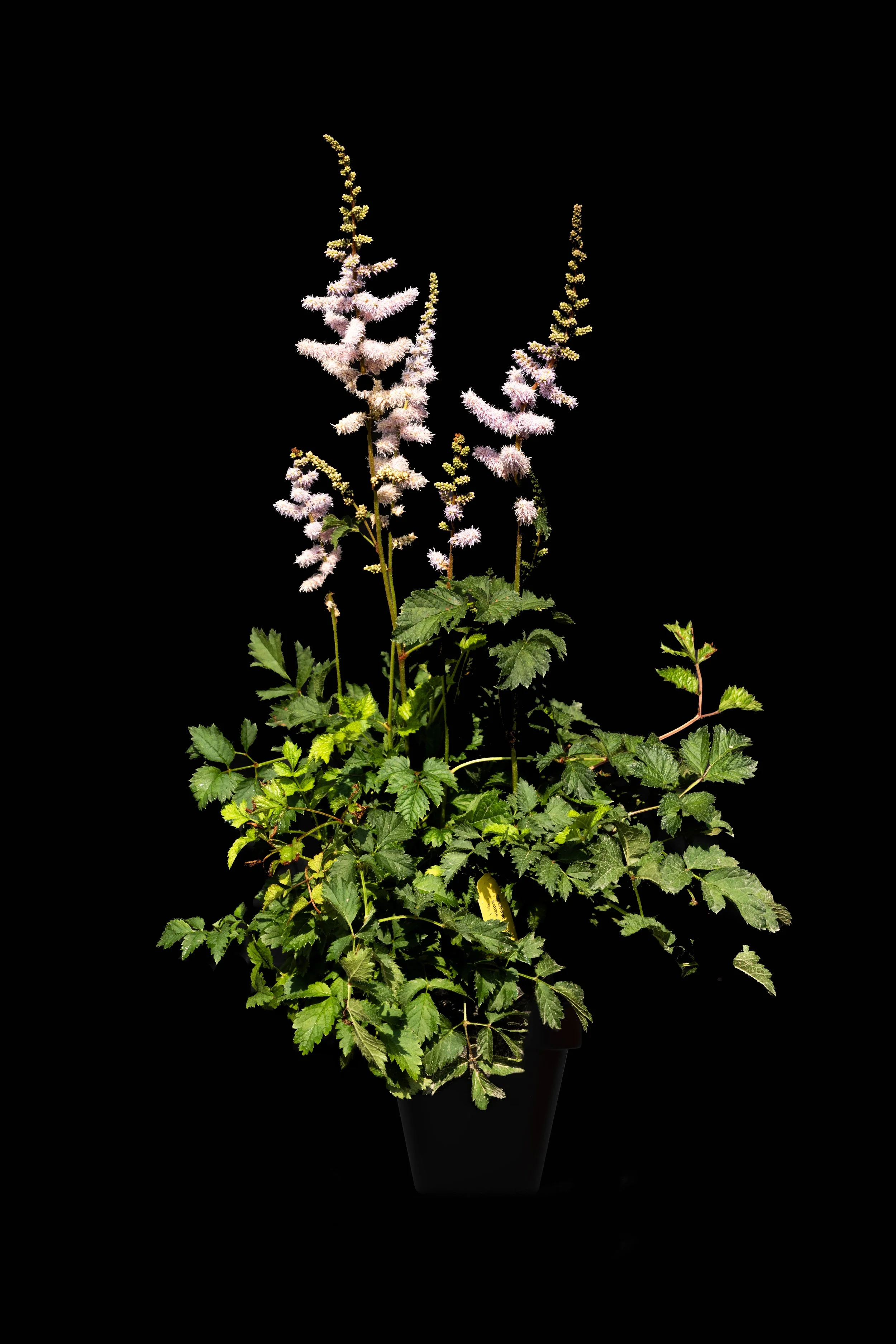
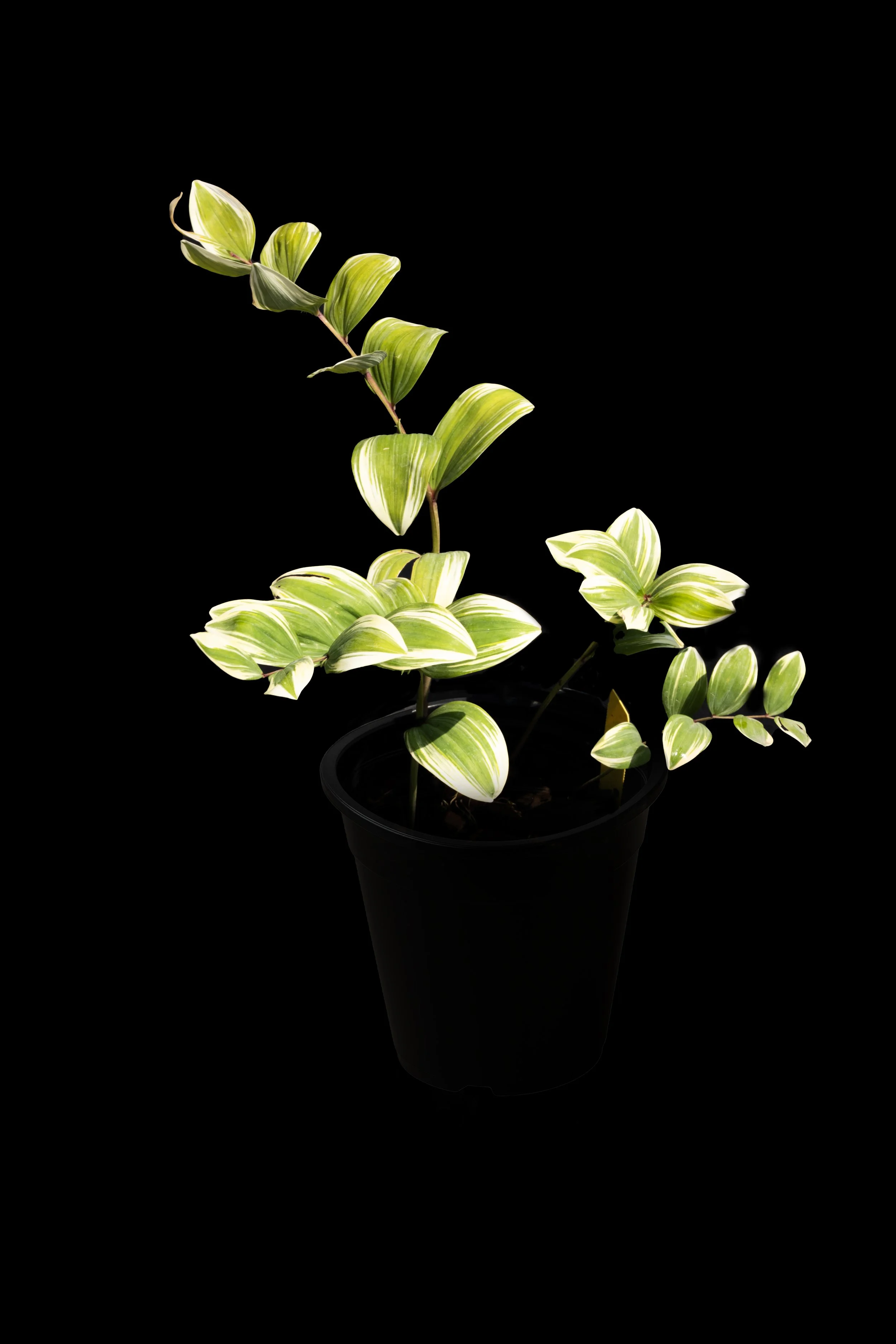
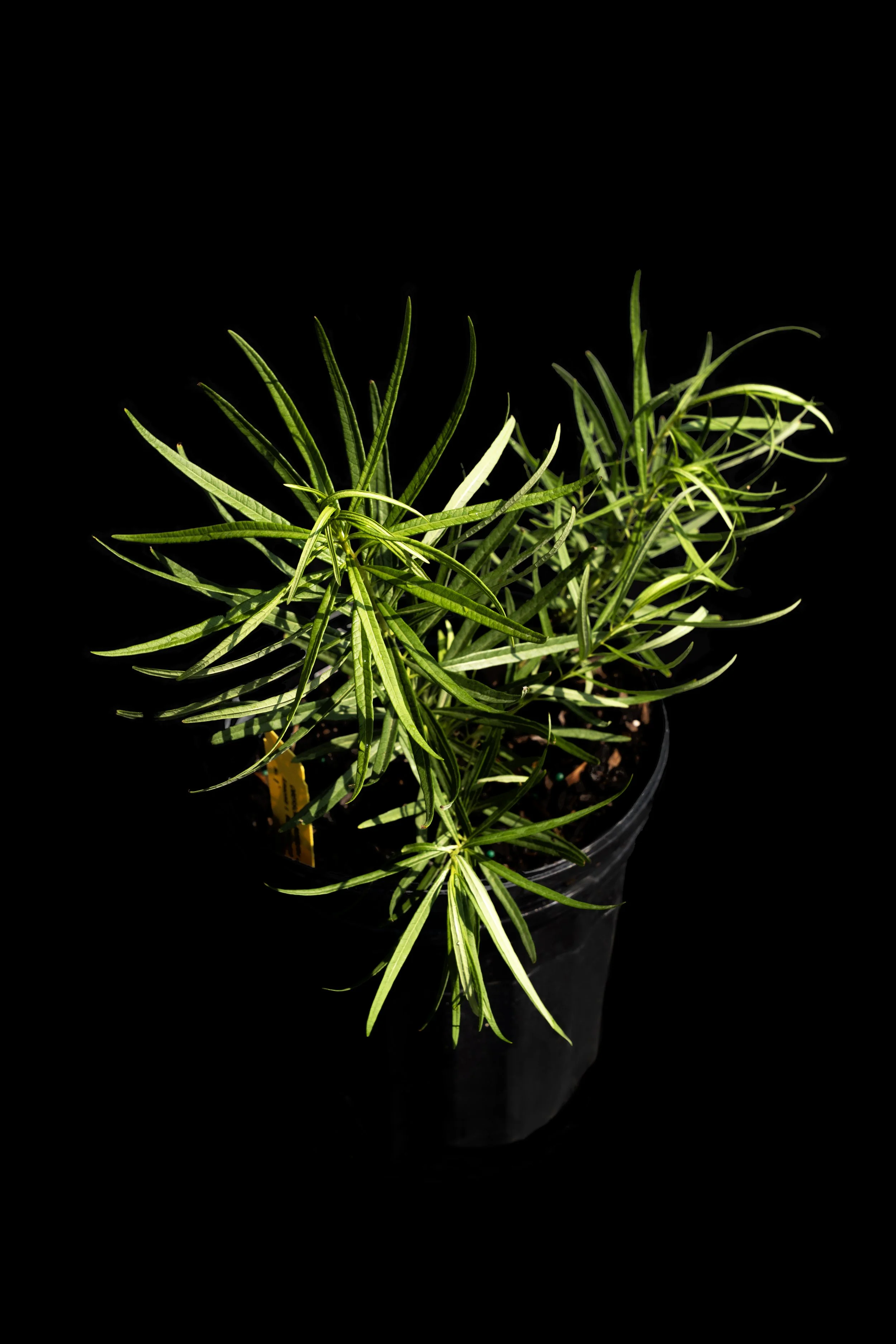
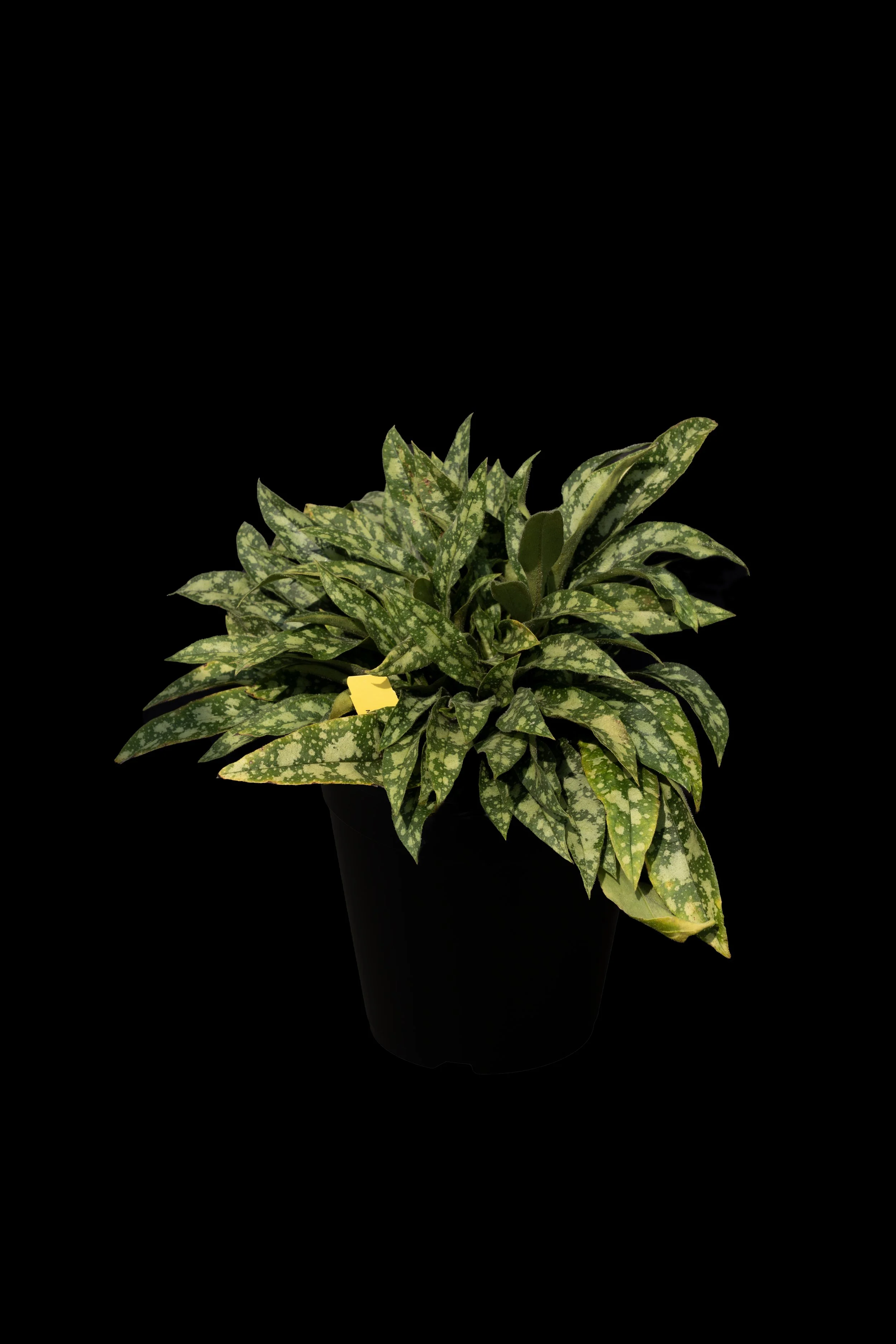
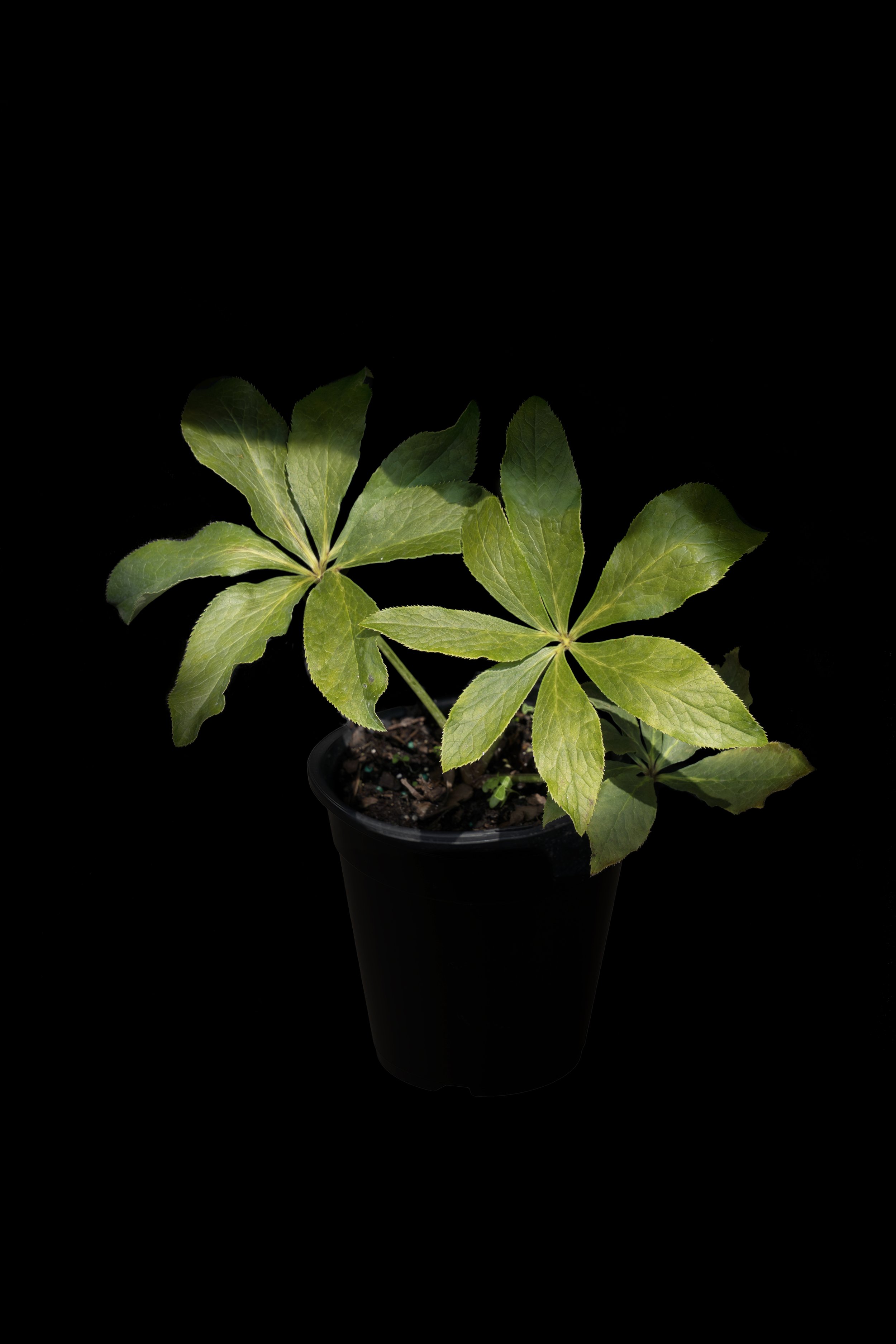
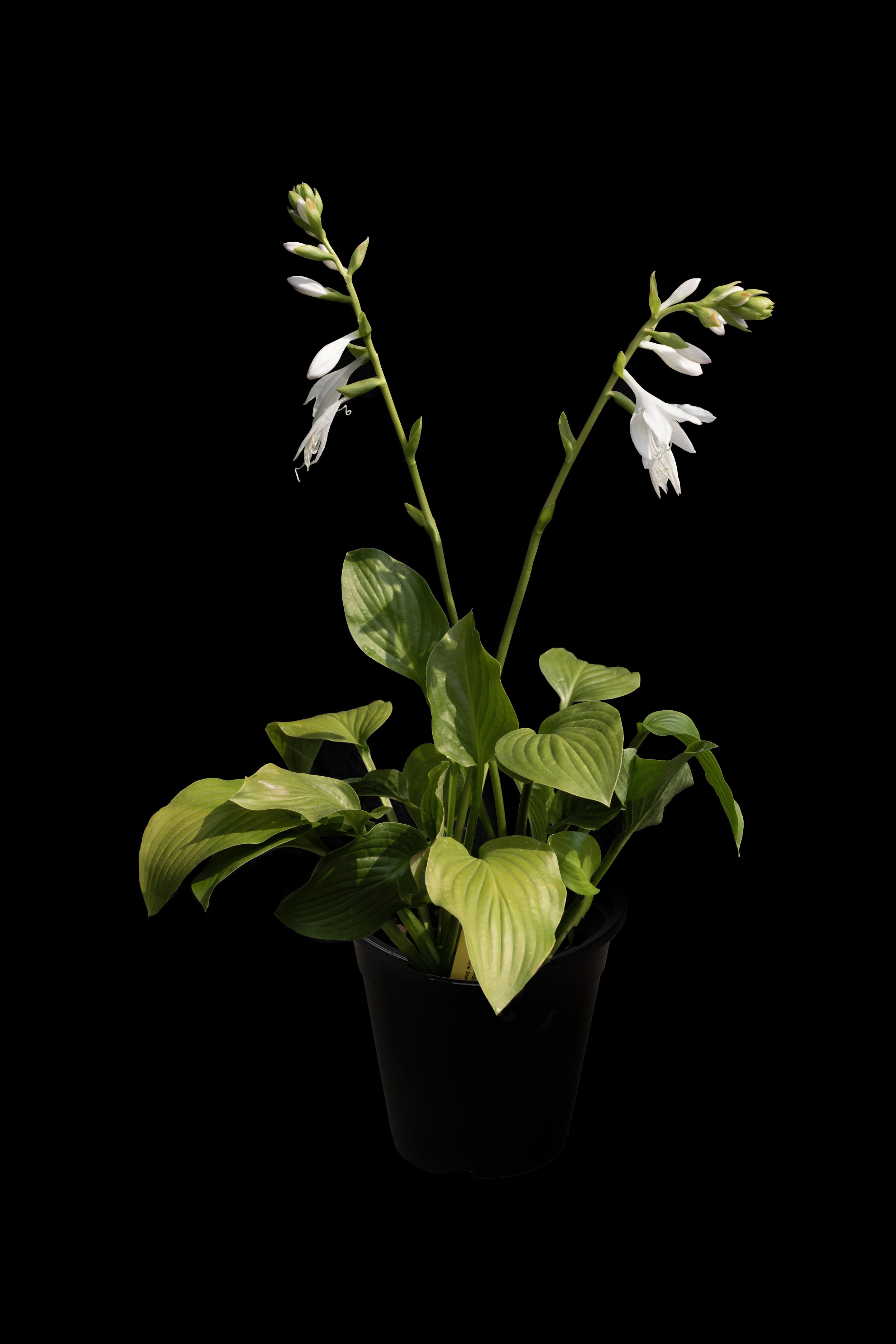
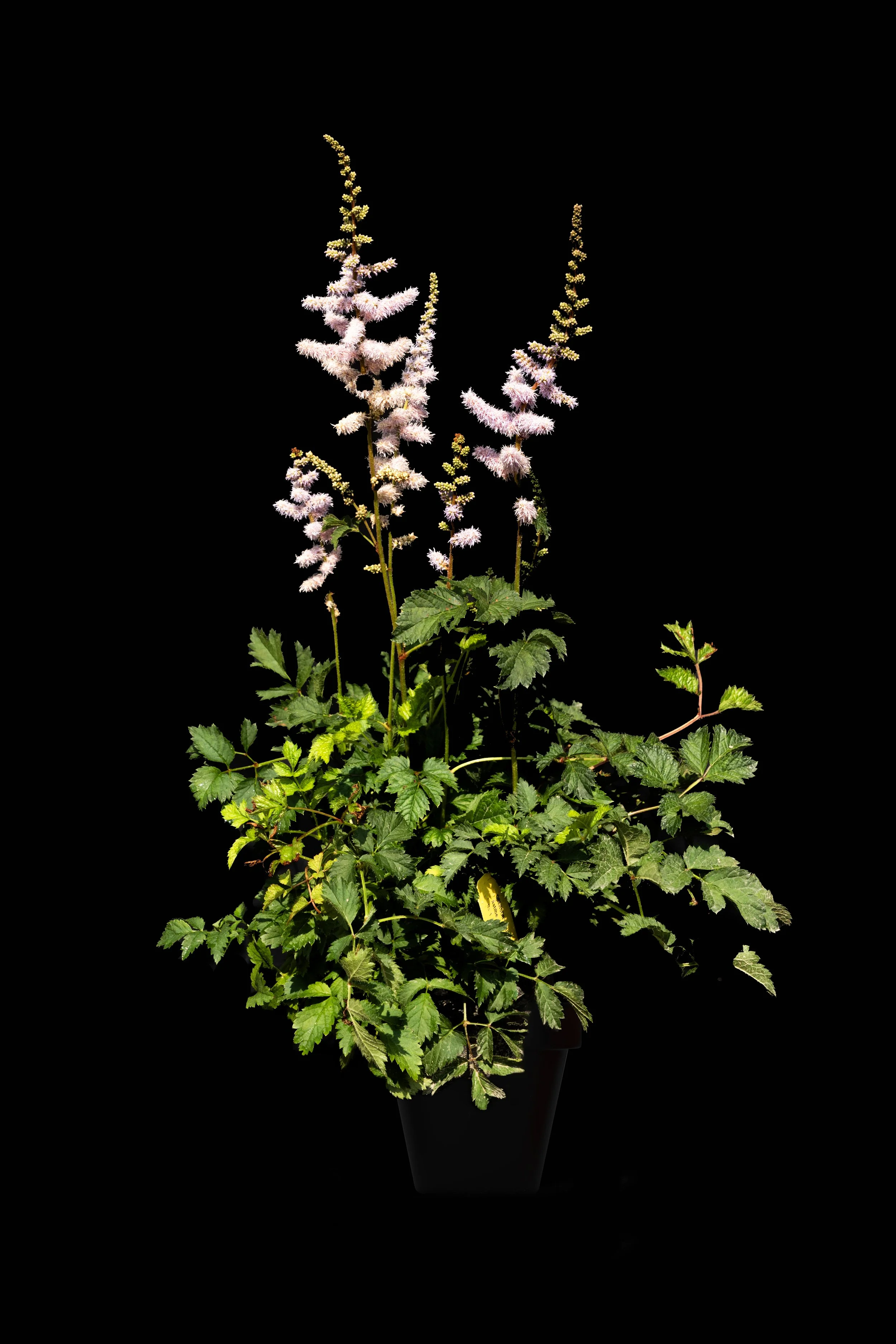
For this project, I selected plants from the garden in Cincinnati that are native to Ohio. At the same time, I traced how their broader botanical families also appear in Central and Eastern European regions. This became important to me because it showed a connection between Cincinnati and Dortmund that is not based on nationality or citizenship. These plants belong to Ohio, but their botanical relatives also live in other places. This helped me think about belonging in a more specific way: not as one fixed homeland, but as something that can happen when the conditions for life are present.
Plants also helped me think about refuge from a different perspective. Refuge is often connected to exile, crisis, and forced movement. I still understand it through those experiences, but plants helped me see survival as a slower process. To take root does not always mean to become fully settled. It can also mean learning how to continue in a new environment while still carrying the memory of another place, another climate, another language, or another home.
Inspired by Dr. Agnew’s exhibition What We Brought With Us, I photographed each plant against a black background. I wanted the viewer to look directly at the plant without being distracted by the surrounding landscape. The black background made the shape, color, texture, and small details of each plant more visible. It allowed me to give each plant more attention, almost like a portrait. I wanted each plant to have its own presence in the work.
The image projected on the wall comes from the garden in Dortmund, which I photographed while I was living in Germany. I included this image because Dortmund was where my thinking about this project first started. In the installation, the projection brings that first garden into the space in Cincinnati. It creates a quiet connection between the two sites: one garden remembered through projection, and the plants from Cincinnati printed on silk.
Silk is the main material of the installation. I chose Chiffon silk because it changes how the photographs appear. The images do not stay flat or still like regular photographic prints. They move, bend, fold, and respond to light, air, and the movement of the viewer. This quality was important to me because the work is about living between places. The silk holds the images in a fragile and shifting way, similar to how memory can appear clearly at one moment and become distant in another.
Silk also carries a history of movement. Its connection to the Silk Road added another layer to the project. The Silk Road was not only a trade route; it was also connected to migration, translation, labor, cultural exchange, and uneven relations between East and West. I do not use silk to romanticize this history. I use it because it carries both beauty and tension. It is soft and delicate, but it also holds histories of movement, labor, and exchange.
In Rooted in Between, I am not trying to return to one origin or describe belonging as something complete. The work stays with the experience of being between places. Through the plants, the black backgrounds, the projection, and the silk photographs, I ask how life continues after movement, and how belonging can be shaped through care, memory, and the conditions that make survival possible.